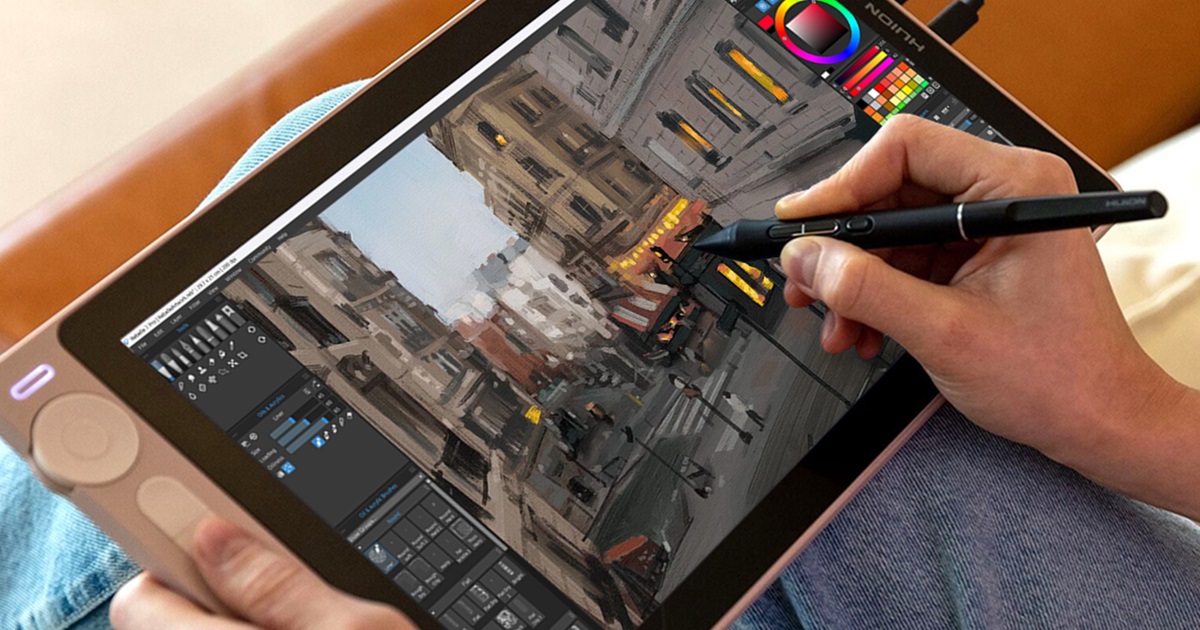
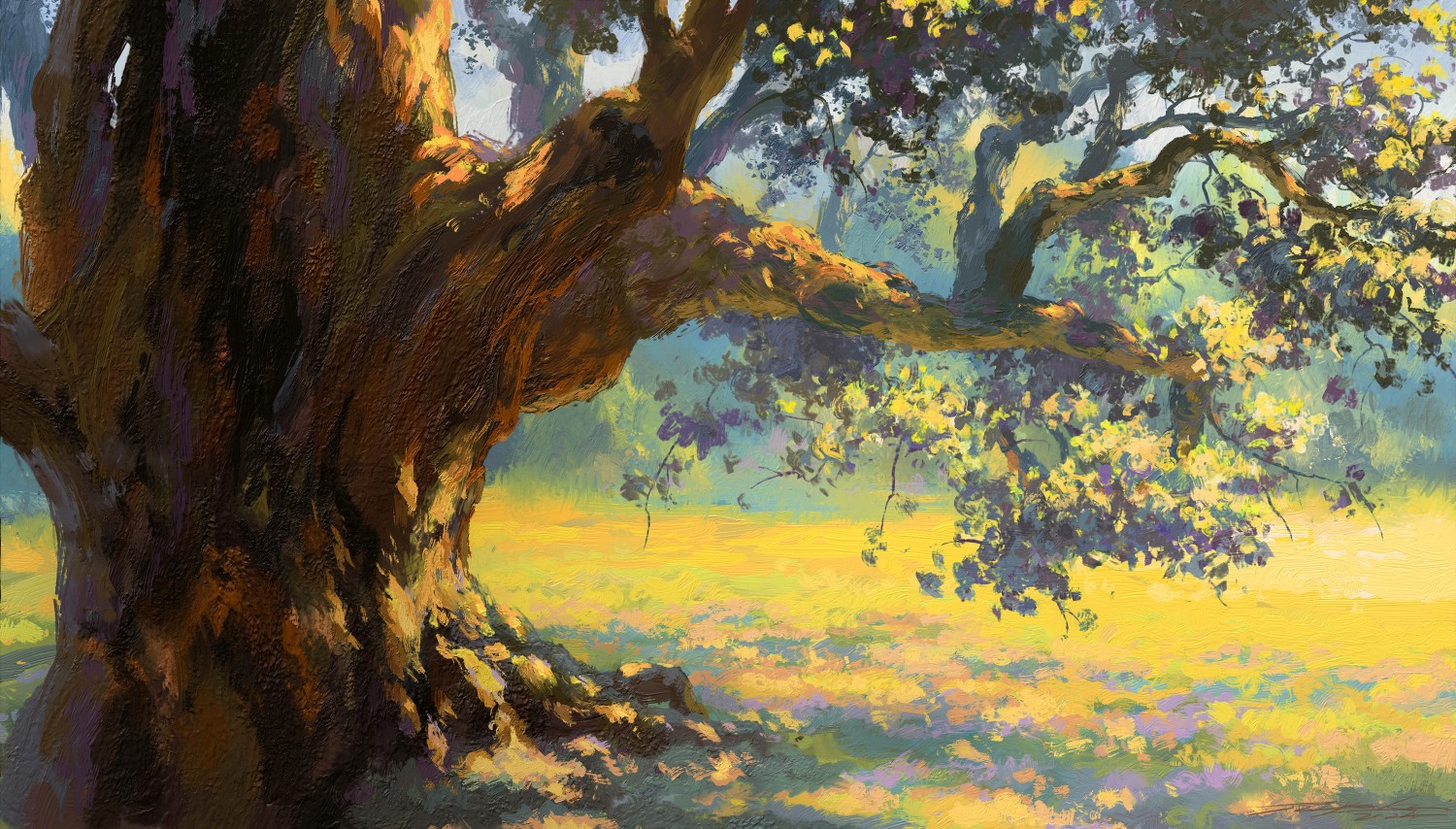

We are thrilled to introduce Rebelle Featured Artist, Jacek Irzykowski. As a professional concept artist and matte painter, he opens up about the tools that work best for him, the workflow each project needs, and his hope for a future in this industry. Read an interview with Jacek.
 Jacek Irzykowski has been a professional in the computer graphics industry since 2001. In 2010, he transitioned into the visual effects sector. With a degree in architecture, Jacek began his career as an architectural visual artist, contributing to the production of imagery for various companies in Australia and China. Jacek's expertise extends to environment concept design, digital painting, and visual development. Throughout his career, Jacek has also taken on roles in art direction and creative direction. Passionate about film, particularly the creation and design of CG environments, Jacek is currently working as a concept designer at ILM Sydney. His motto is 'Never stop learning.'
When did you find out about Rebelle, and what drew you to it?
I discovered Rebelle in 2023, and the feature that interested me the most was its simulation of traditional painting techniques, particularly the pigment feature, watercolor dynamic mixing on canvas, and color mixing properties in general. I could not find anything quite comparable in other software. I also find Rebelle extremely responsive, with virtually no noticeable lag, which is another major reason why I continue to use it.
In what stages of your work (concept sketches, final matte paintings, texture work, etc.) do you find Rebelle most useful?
This would typically be the early stage of creating a concept art piece or matte painting, where I am developing the initial sketch and rough paint-over before taking it further. In other cases, I may take the process all the way through to the final artwork within Rebelle itself.
Watch on YouTube: youtu.be/JmsL5HNWl5o
"I find the digital recreation of traditional painting techniques both useful and unique. Another advantage is convenience. I do not have to set up traditional painting materials or get my hands dirty. I can simply turn on my computer and start painting immediately."
How important is it for digital tools to replicate real-world physics versus offering entirely new capabilities? How do you integrate traditional art principles into a fully digital workflow?
I think the answer to this question comes down to individual preferences. Personally, I find the digital recreation of traditional painting techniques both useful and unique, which is one of the main reasons I use the software in the first place. Another advantage is convenience. I do not have to set up traditional painting materials or get my hands dirty. I can simply turn on my computer and start painting immediately.
That said, if I want to challenge myself with a likeness of a more traditional workflow, I will often work on a single layer, much as I would with a physical painting. This allows me to recreate a more authentic traditional process without relying on color corrections or layer adjustments. I still paint this way from time to time, and the final result often has a more tangible and organic quality.
You’ve contributed to multiple film projects as a concept artist and matte painter. What are the key differences in mindset when designing environments from scratch versus extending real footage in matte painting?
When designing an environment from scratch, you need to consider the brief and understand what the VFX Supervisor, Production Designer, or Art Director considers essential. The image must support the main premise and fulfill both narrative and visual requirements, and at the same time be visually pleasing (which unfortunately is very subjective).
When extending a live-action plate, however, the process becomes far more technical. You need to match all the key characteristics of the original footage: color, exposure, weather conditions, lighting, perspective, scale (which is critically important), lens focal length, depth of field, and finally optical lens effects. All of these elements must work together to create a seamless extension. The goal is for the audience to never realize anything was added. If they cannot tell where the original footage ends and your work begins, you have done your job as a matte painter!
"Directors typically have a very clear vision of what needs to be communicated within a particular setting, sequence, or scene. As concept artists, our role is to help realize that vision by solving creative problems and proposing visual solutions that support the story."
What is your process for translating a director’s vision into a believable environment or scene?
The process usually involves prioritizing the key elements of the brief, brainstorming with other artists, and collaborating closely with VFX supervisors and key creatives. Good directors typically have a very clear vision of what needs to be communicated within a particular setting, sequence, or scene. As concept artists, our role is to help realize that vision by solving creative problems and proposing visual solutions that support the story.
Do you prioritize composition, lighting, or storytelling?
That largely depends on the brief. I always aim to create a strong composition, often using principles such as the Golden Ratio or the Rule of Thirds. Lighting is an incredibly powerful storytelling tool and is frequently used in that way. I also try to include visual cues that suggest a larger narrative behind the image. Ideally, the artwork is not just a picture - it is a story captured in a single frame.
How do you decide when a piece is “finished,” especially in production environments with tight deadlines?
In the VFX industry, we say: 'a shot is never truly finished', it just ends when the money runs out! There can always be another iteration that could make it better. In reality, however, a shot is finished when all stakeholders are satisfied, and the client believes it serves its purpose within the film. At that point, it is time to move on to the next challenge.
Where do you see concept art and matte painting heading in the next decade?
I hope that the current advances in technology designed to assist artists will not remove the human element from the VFX world. I try to remain optimistic and believe there will always be a place for creative people within the entertainment industry. Some days, I still cannot believe that I get paid to do something I genuinely love! I hope future generations of artists will continue to have the same opportunity.
Thank you, Jacek, for taking the time to discuss your approach to digital painting and your experience with concept art and matte painting. May your next project be even more exciting than the last one.
Happy Painting,
Escape Motions Team
-----
Visit Jacek's portfolio: escapemotions.com/featured-artists/jacek-irzykowski
See more of his painting process: youtube.com/@JacekIrzykowski
Learn more about his professional projects: artstation.com/yatzenty

What do you think?
0 Responses
0
Upvote
0
Funny
0
Love
0
Surprised
0
Angry
0
Sad
Sign in to comment!
(I live in Sydney and have trecked in Tasmania.)