
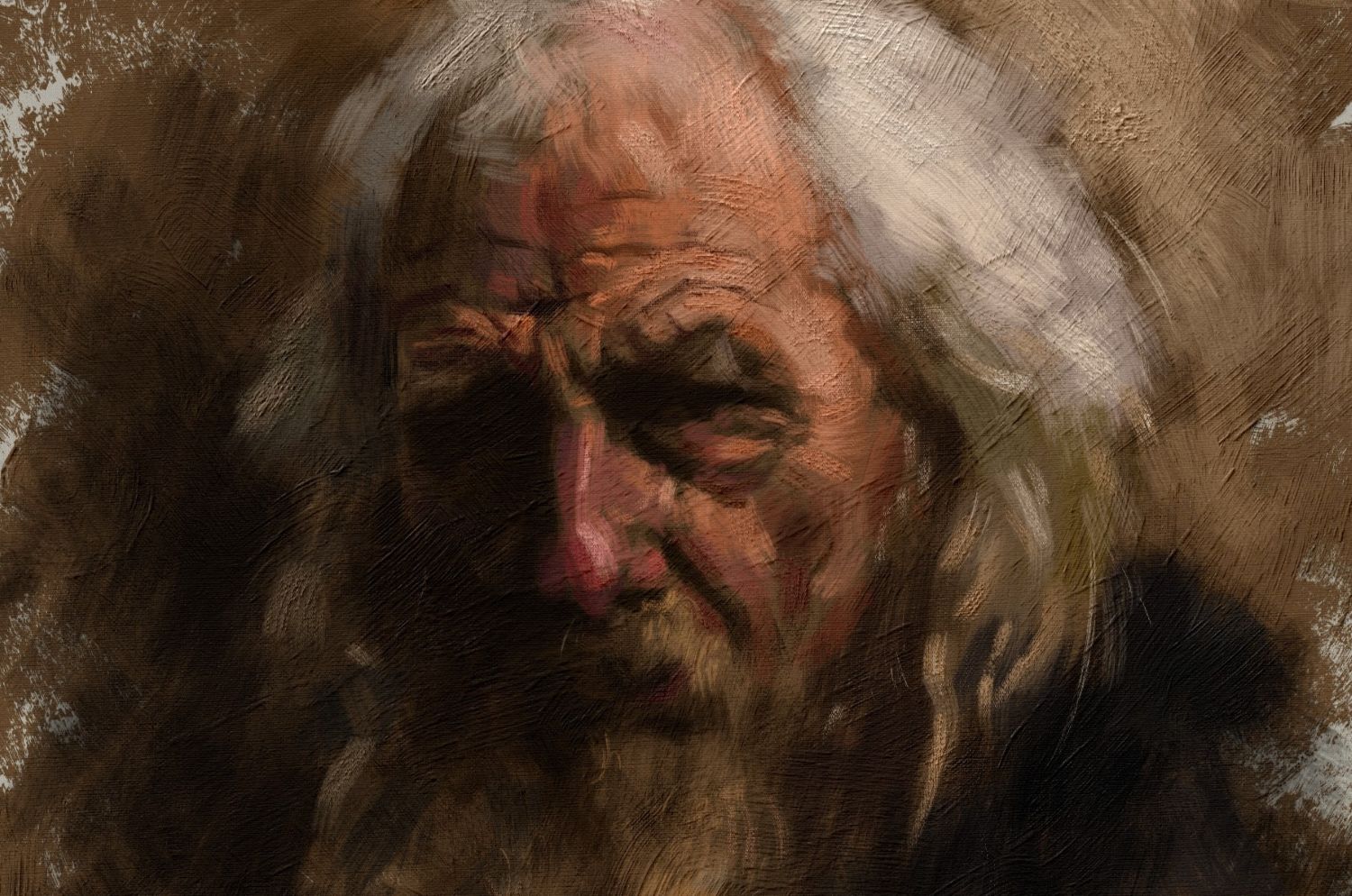

Rembrandt’s paintings have a unique presence, not because of excessive detail, but because of how deliberately everything is placed. In his later work, forms seem to emerge from darkness, light is used with restraint, and the surface itself becomes the focus. It’s a way of painting that prioritizes structure, atmosphere, and materials. In this study, Featured Artist Jacinto September explores the mindset of Rembrandt while painting a portrait.
Watch on YouTube: youtu.be/gNKQ_K0EdBo
Rembrandt van Rijn (1606–1669) was a master of light, shadow, and psychological depth, and one of the most influential painters of the Dutch Golden Age. His work is defined by a direct, observational approach, where structure emerges through the interplay of light rather than strict line. Instead of relying on a polished finish, he built form through layered paint, controlled edges, and a strong sense of value hierarchy. His process reveals a constant search—adjusting, simplifying, and reinforcing what matters most. For study, his work offers insight into how clarity can come not from refinement alone, but from bold decisions, selective focus, and a deep understanding of how light defines form.
Rather than copying a specific painting from Rembrandt, the focus of this study is on understanding how the master painter approached painting, from building a dark ground through organizing shadow masses to gradually introducing light and texture. The goal isn't replication but clarity: simplifying the painting into simple stages and allowing the painting to develop naturally from there. Jacinto September explores these principles while painting a portrait of an elderly man.
Palette and Brushes
A limited palette is where everything begins. For this study, Jacinto works with a selection of mainly earth-based pigments: white, yellow ochre, cadmium red, lamp black, raw umber, burnt umber, and Van Dyke brown. This kind of palette closely reflects what Rembrandt often used, especially in his later years. These colors naturally harmonize since they're warm and muted. They sit close in value and temperature, which makes it easier to control relationships rather than chase contrast through saturation.
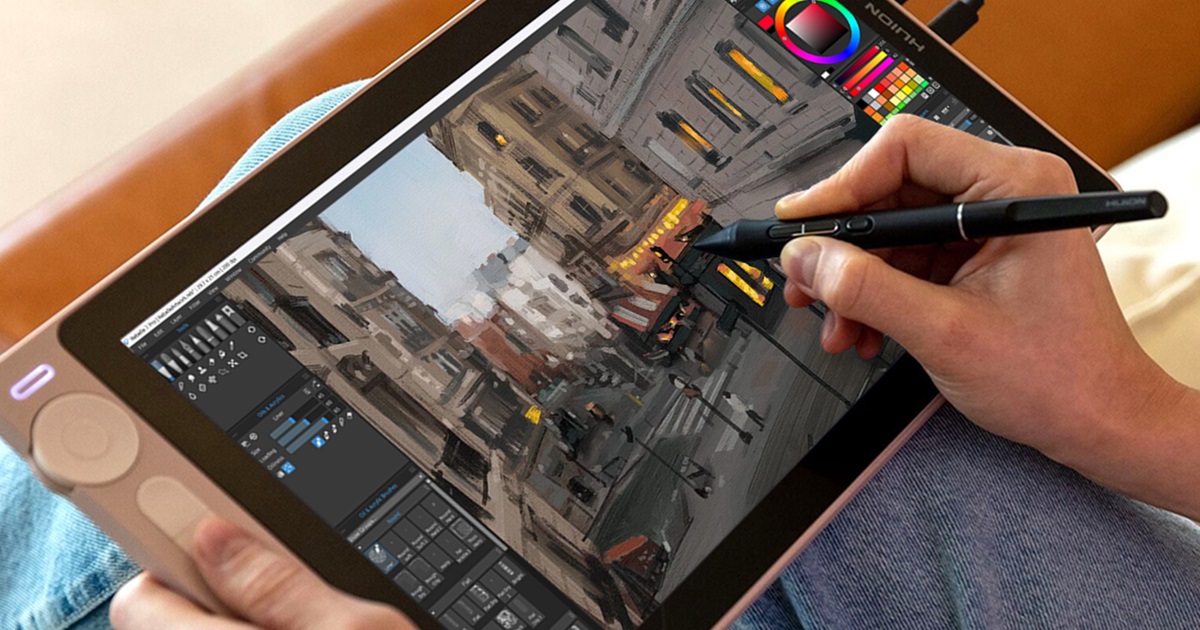
Alongside the palette, let’s keep the brush selection minimal, just five brushes. Not for limitation's sake, but for focus. Rembrandt's work shows a deep sensitivity to how paint is applied, not how many tools are used. Inside Rebelle, this becomes especially important, as the brush behavior directly affects how the paint surface develops over time.
Download Jacinto's brushes for this tutorial: escapemotions.com/products/rebelle/brushes/download.php?file=brushesgroup&name=671
Background Layer
The painting begins in darkness. A warm, dark ground sets the foundation, not just visually, but structurally. Instead of building shadows on top of a light surface, the process is reversed. The light needs to be revealed gradually, so we start with a dark umber-based background. This approach was central to Rembrandt’s later work. It unifies the painting from the very beginning and prevents the shadows from becoming fragmented or overworked.
Tip: In Rebelle, allow slight variation in the background by subtle shifts in opacity and texture. This helps create a surface that remains active throughout the entire painting process.
Mass Drawing
Rather than drawing lines, the focus here is on placing the shadows. This stage is about identifying the largest, most important shapes, where the head turns away from light, where forms connect, and where they dissolve into the background. Rembrandt approached structure through mass, not outline. The likeness should not be forced. It should emerge naturally when these shadow relationships are accurate. Keeping things simple at this stage is essential. The more unified the shadow shapes are now, the stronger the painting will feel later.
Block-In Stage
With the structure in place, the next step is to introduce middle values. This stage bridges the gap between shadow and light. Color is introduced, but still in a very controlled and simplified way. No refinement yet, just placement. Rembrandt's palette supports this beautifully. Earth tones allow subtle shifts without overpowering the value structure. Let colors mix slightly on the surface, rather than over-blending. This helps maintain that natural, painterly variation. It's also important to keep this stage as blocky and as loose as possible, to be able to refine and develop these color shapes later.
Modeling Stage
The painting starts to take form at this stage. Light is introduced gradually, while shaping the planes of the head and creating depth. This stage isn't about jumping straight to highlights, but building toward them with control. Rembrandt's light is always selective. It reveals what matters and allows everything else to fall away. As the form develops, the surface becomes just as important as the tonal values. Thicker applications of paint are introduced in the lightest areas, and this is a characteristic often seen in Rembrandt's later work, where highlights were built up with denser, more opaque paint. This contrast between transparent shadows and thicker lights creates a strong sense of hierarchy and focus. Inside Rebelle, this can be explored through its thick paint system, allowing light passages to feel placed and physical rather than blended. The edges in the painting are also refined here, some softened into the background, others kept sharper to guide the viewer's eye. This helps the figure emerge naturally from the surrounding darkness.
Final Thoughts
What makes Rembrandt's work so powerful is simplification, not complexity. A clear separation of light and dark. A limitation in terms of color. A balance between control and suggestion. This study isn't about replicating a specific painting, but about understanding a way of thinking.
By working from darkness, simplifying early, and building form with shapes, the painting develops naturally, rather than being forced into a finished state. And with tools like Rebelle, it becomes possible to explore these traditional ideas in a way that still feels tactile, responsive, and grounded in traditional painting principles. Try it yourself.
Happy Painting,
Escape Motions Team
-----
Learn more about Jacinto September: escapemotions.com/featured-artists/jacinto-september
Brushes for the tutorial: escapemotions.com/products/rebelle/brushes/download.php?file=brushesgroup&name=671
Reference image: pin.it/7yBFhcHq6

What do you think?
0 Responses
0
Upvote
0
Funny
0
Love
0
Surprised
0
Angry
0
Sad
Sign in to comment!
Be the first to comment.